
PRODUCING CHICKENS WITH THE POWER OF THE SUN
Had you heard of this before? You can breed chicklets in an egg incubator that keeps a steady temperature for around 21 days. All you need to do is place your eggs inside and the machine. Small chicklets will eventually hatch at the bottom. This process is more efficient than natural egg breeding and hatching. Figure 1 shows what the machine looks like.
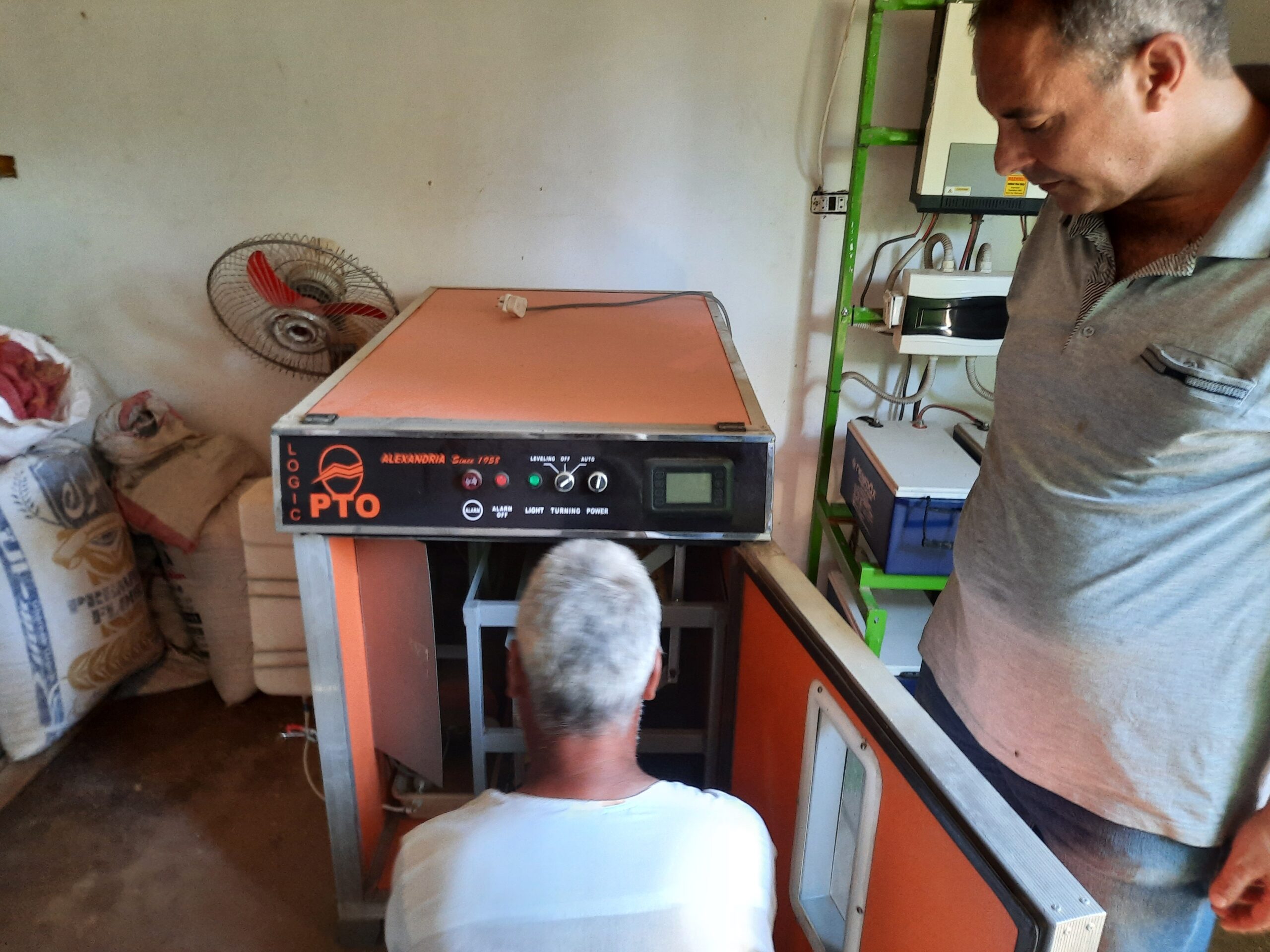
Figure 1: Egg incubator installed in Dandara.
A solar PV system generates and maintains a steady temperature inside the incubator. This saves electricity and makes the production process more sustainable. GEBAL installed one such solar-powered egg incubation system in the village of Dandara, Upper Egypt. Funded by Schneider Electric, one of GEBAL’s key partners, the project is run by a local family and benefits the entire neighbourhood. In Dandara, the solar system has a special tree shape, blending right in with the operator’s garden. Figure 2 shows the solar tree.

Figure 2: Solar tree in the operator’s family garden in Dandara.
BOOSTING WOMEN’S ECONOMIC EMPOWERMENT
Egg incubators can be a game changer for rural women, who traditionally manage poultry. Operators collect money per hatched egg. This way, a machine holding up to 1,000 eggs can generate several thousand pounds of income per month. The fact that there are no electricity costs increases the profit. Customers write their names on the eggs placed inside the incubator to avoid any potential mix-up of chicklets. Figure 3 shows how this is done.
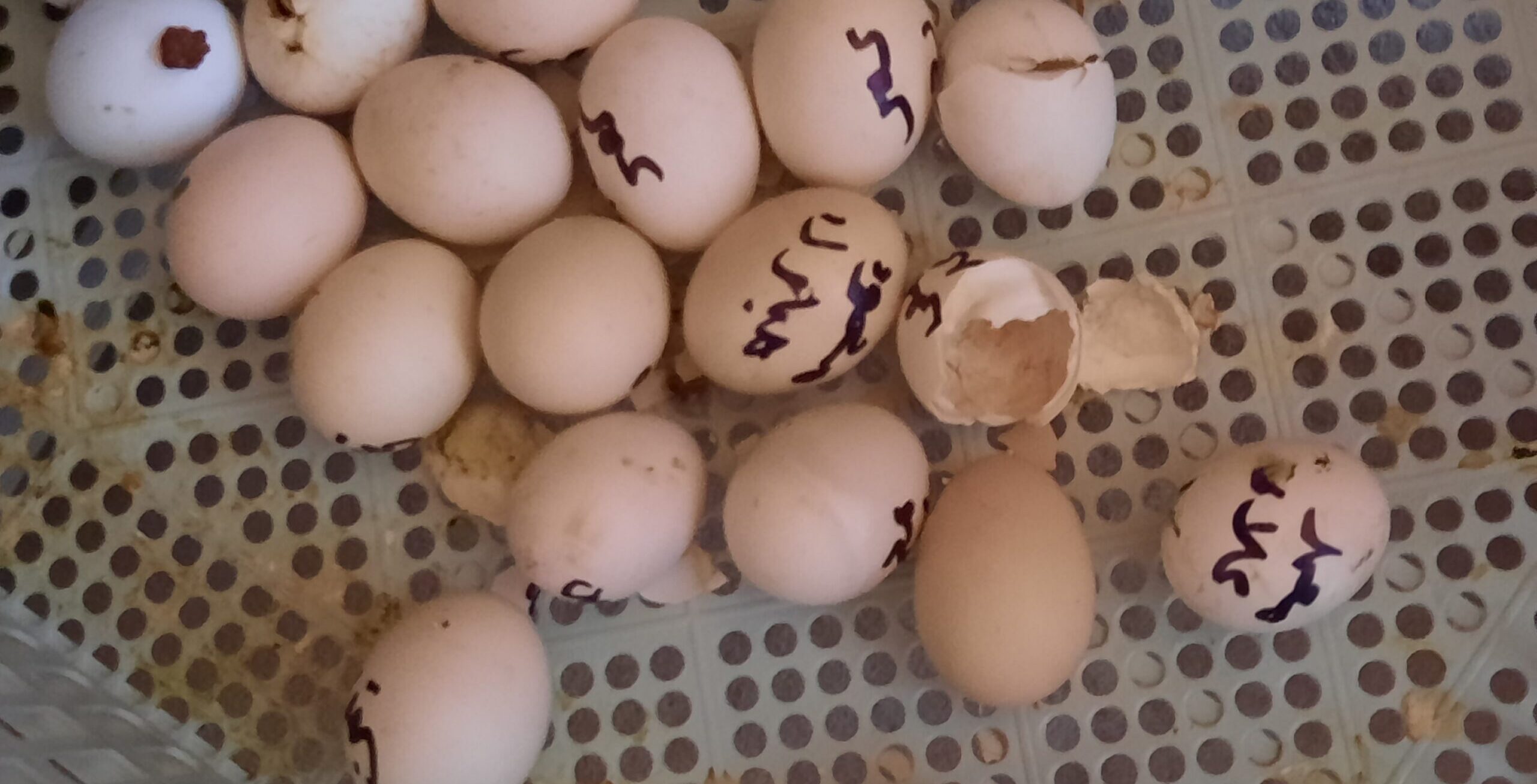
Figure 3: Customers’ names on the eggs.
MORE SUSTAINABLE RURAL LIVELIHOODS
The PV-powered egg incubation system is an innovative idea for boosting local incomes through low carbon, sustainable livelihood solutions. In Dandara, the woman operators’ brother has independently improved our design. He turned the system into a hybrid system, so that the machine can also be powered by conventional electricity if needed. Generations of little chicklets, turkeys, and ducks have already hatched this way in Dandara. Figure 4 shows the final result.
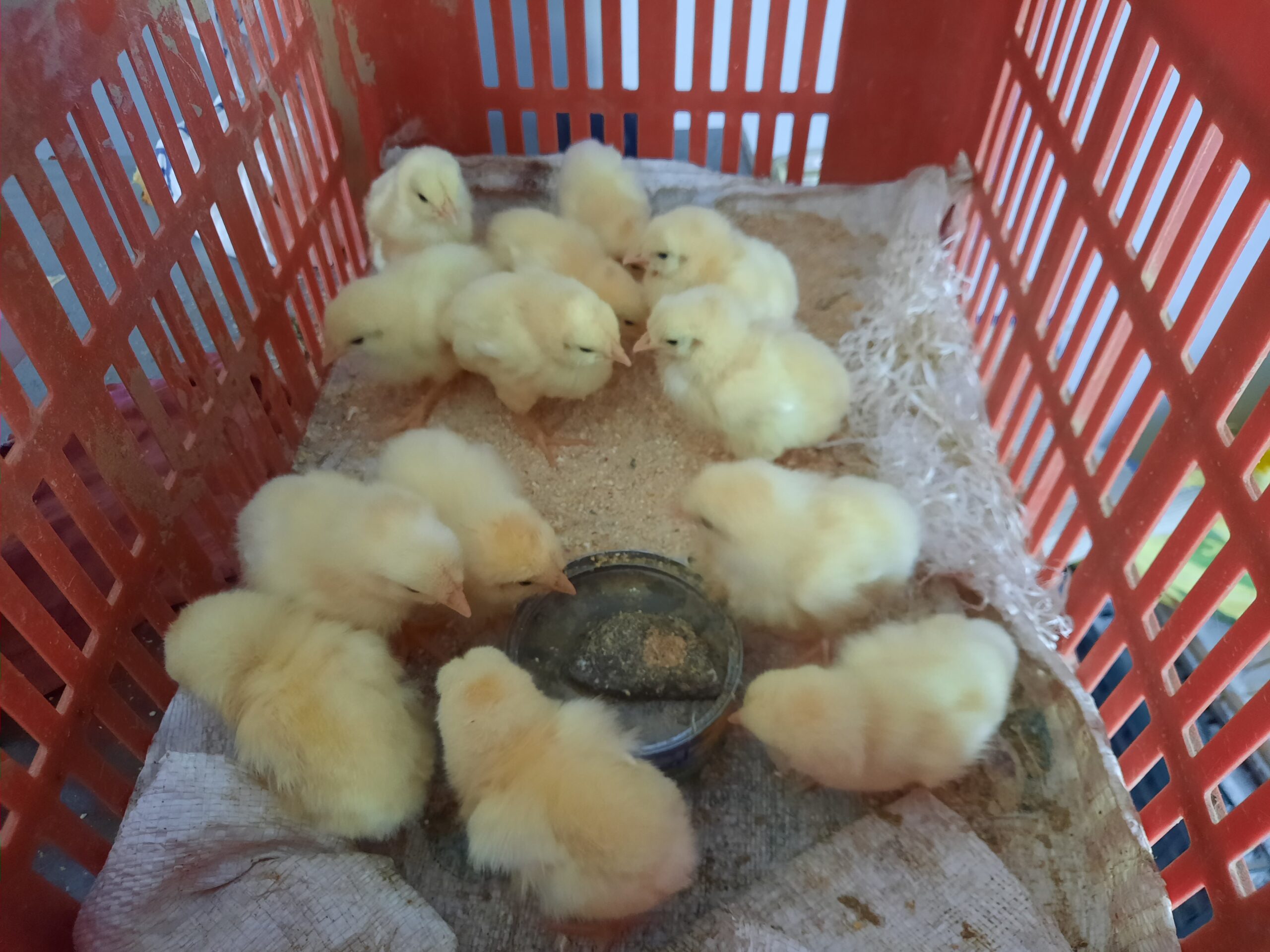 Figure 4: Little chicklets enjoying a meal.


0 Comments